







The video everyone watched, and the conversation few want to have
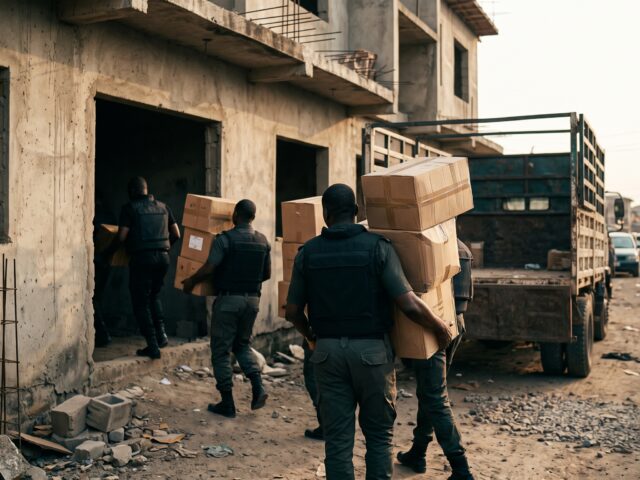
A video from NAFDAC is circulating widely: arrests, a building raided, fake products seized at the Trade Fair market in Lagos. The condemnation has been loud, from Nigerians at home and abroad. It should be.
As a product and market development practitioner, I condemn counterfeiting without reservation. Every fake product in circulation attacks the trust on which any food, beverage, pharmaceutical or personal care market depends.
But outrage is not strategy. If we stop at the video, we will watch the next one in six months, and the one after that. So let me say what many in our industry avoid saying.
There will always be fake products in Nigeria and across Africa while manufacturers, consumers and the culture around them keep creating the conditions for them.
This is not an isolated incident
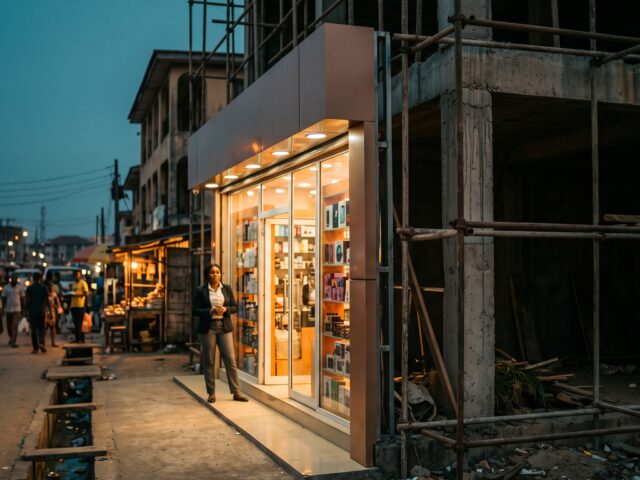
The Trade Fair Complex has been raided repeatedly. A NAFDAC operation in February 2026 recovered more than 10 million doses of counterfeit malaria medicines and cosmetics worth about ₦3 billion, arresting four people. A separate raid uncovered a warehouse hidden inside an uncompleted building, stocked with banned, fake and unregistered cosmetics valued at over ₦3 billion. NAFDAC’s enforcement director described the broader problem as a serious public health and national security concern, since the goods are applied to the skin or ingested.
The wider numbers are sobering:
-
The Standards Organisation of Nigeria has been cited as saying counterfeit goods make up about 40 per cent of products in the Nigerian market.
-
Regulatory seizures in Lagos alone exceeded 4.5 million bottles of fake and substandard products in 2025.
-
The World Health Organization estimates that substandard and falsified medical products cause over 100,000 deaths annually across Africa.
Enforcement cannot be the whole answer. Raids are reactive, and every raid shows the supply chain was already operating at scale before anyone arrived.
Responsibility one: manufacturers
Let me start with my own side of the table.
How many manufacturers operating in Nigeria, local or multinational, can say with confidence:
-
What is the true capacity of my market? What volume does my product actually sell per month, by region and channel?
-
Do I know where every unit of my product goes? Can I trace it from factory gate to distributor to retailer?
-
Do I have a documented anti-counterfeiting programme, with budget, owners and metrics?
Many cannot answer these questions. When a brand does not know its own market capacity, it cannot tell when the market holds far more of its product than it ever produced. That gap is where counterfeiters live. A brand with supply shortages, patchy distribution or inconsistent pricing leaves a vacuum, and someone will fill it with a fake.
Counterfeiting is also a sophisticated business. In some reported raids, authorities found facilities producing genuine and counterfeit products side by side. That is a supply-chain and packaging-control problem as much as a policing one.
What credible manufacturers do:
-
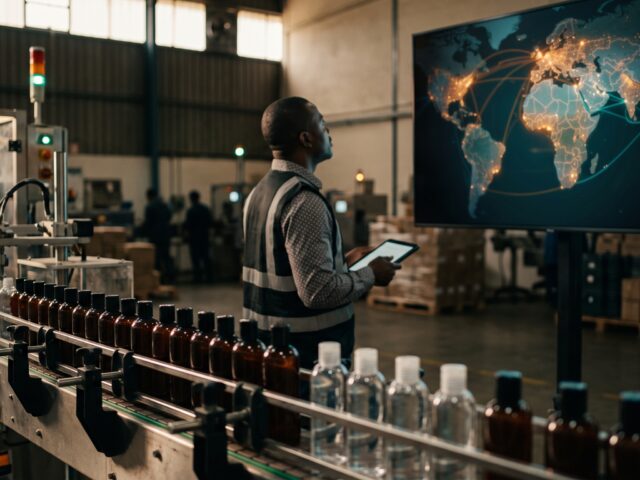
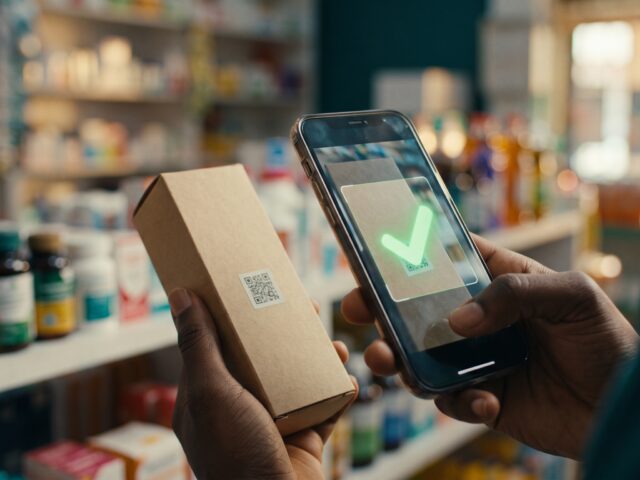
Track and trace. Use serialisation, QR codes or SMS verification at the unit level, so the consumer can check authenticity in seconds.
-
Control the channel. Work only with accredited distributors, audit them, and act on grey-market leakage.
-
Price and supply intelligently. If a legitimate product is unavailable or priced far beyond reach in a segment, an illegitimate one will serve that segment.
-
Invest in market surveillance. Fund field intelligence and support regulators with evidence, not just complaints after the damage is done.
-
Educate the trade. Retailers and wholesalers need to be able to identify the genuine article.
Responsibility two: consumers, and the limits of that argument
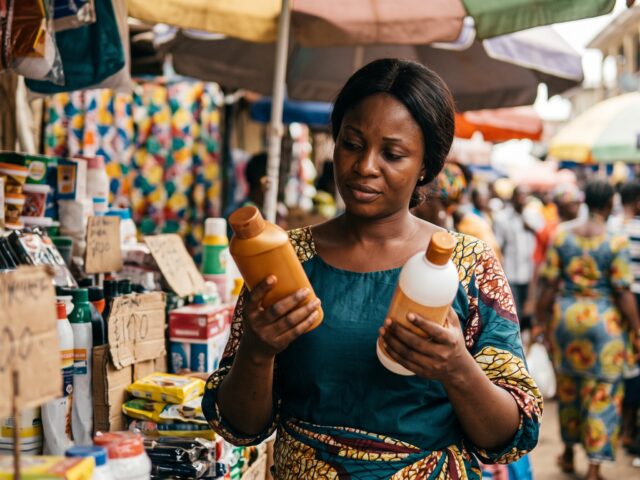
Consumers also carry part of the responsibility. Many want premium quality at a bargain price, and they are unwilling to pay for what quality costs. When a “Nivea” or a “malaria injection” sells far below the going rate, the price itself is the warning.
But this argument has to be made honestly, or it becomes lazy victim-blaming. Much of the demand for cheap goods is not greed. It is arithmetic. Because many consumers are already struggling financially, cheaper products spread quickly through markets and roadside shops. A public health researcher quoted by African Business calls counterfeits “a poverty tax paid in lives”.
Also, even professionals sometimes struggle to distinguish fake products from genuine ones without laboratory testing. Asking a market trader or a mother buying baby products to detect sophisticated fakes by eye is unrealistic.
So the consumer’s responsibility is real but conditional. Consumers can verify, report and refuse suspicious pricing. But they can only do so if brands make verification easy and affordable products available.
Responsibility three: a culture that normalises “fake it until you make it”
We live in an environment where appearance is rewarded over substance. Fake credentials, fake lifestyles and fake invoices are shrugged off, and in some circles admired. When imitation is socially rewarded, a fake product is simply one more shortcut.
Culture does not change by decree, but it does change through incentives and visible consequences. Here the structural problem is hard to ignore. A Dawn Commission report on Nigeria’s counterfeit economy points to a maximum fine of ₦500,000 (less than $350) for counterfeiters under the Counterfeit and Fake Drugs Act.
The balanced view: what will not work
For credibility’s sake, three cautions.
-
Raids alone will not fix this. NAFDAC deserves credit for its recent seizures, but enforcement agencies are stretched, and displaced counterfeiters tend to reappear elsewhere.
-
Technology is not a silver bullet. QR codes and verification systems only work if consumers actually use them, and if they cannot themselves be faked.
-
Blaming the poor is both wrong and ineffective. Without affordable genuine alternatives, demand for fakes persists.
What this means for investors and brands
For C-suite readers weighing Nigerian market entry or expansion, counterfeiting is a core business risk to be priced in, not a footnote.
-
Budget for brand protection from day one, as part of market-entry costs.
-
Choose distribution partners on verifiable integrity, not only reach.
-
Build consumer trust deliberately, with transparent verification and consistent supply.
-
Work with NAFDAC, SON and industry associations so that enforcement is informed by your intelligence.
-
Consider tiered pricing and pack sizes so genuine products are within reach of lower-income buyers.
Conclusion: from outrage to accountability
The Trade Fair video should anger us. But the anger should lead to a harder question: what did each of us do to make the fake product easier to sell than the real one?
Manufacturers must know their markets and control their supply chains. Consumers must learn to value verification over bargains. Regulators need sharper tools and meaningful penalties. And as a society, we must stop rewarding the appearance of success over the substance of it.
Fake products will not disappear overnight. But a market where the genuine product is easy to find, easy to verify and affordable is a market where fakes lose their advantage.

Jean Claude Agbortem Obi is a business consultant specialising in market entry, business development and commercial expansion across African markets, with a particular focus on FMCG and pharmaceutical businesses.
Through Routrix Africa, he works with international and African companies seeking to navigate the complexities of African markets, including distributor selection, route-to-market development, market intelligence and commercial expansion.
His perspective is grounded in a practical understanding of the realities that determine whether a brand succeeds beyond the boardroom and reaches the consumer at the point of purchase.
His central philosophy is simple: African market entry should not end with getting into the market. The real objective is building a sustainable pathway to commercial success.